Conventions create a kind of energy that is hard to replicate. For a weekend, thousands of fans share the same space, the same references, and the same enthusiasm for the shows, films, and franchises they love. Then Monday comes, the panels wrap up, the cosplay gets packed away, and people scatter back to their daily lives. The gap between conventions can stretch six months or longer, and for communities built on face-to-face connection, that wait used to feel like a long time.
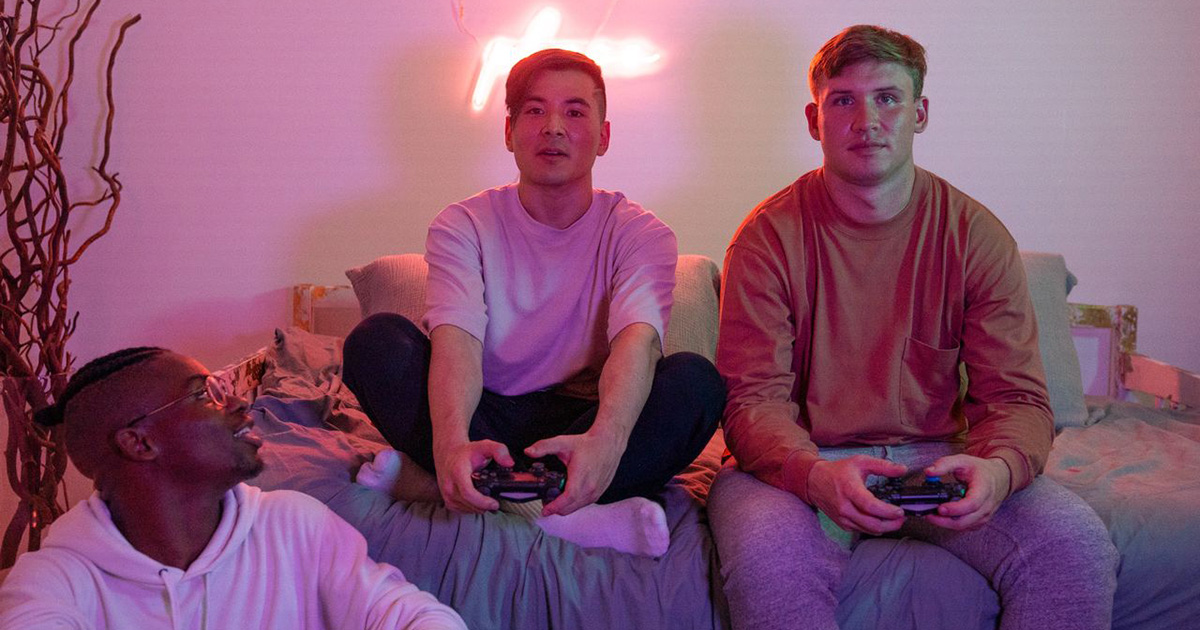
Online gaming has quietly changed that dynamic. For a growing number of fan communities, multiplayer games have become the connective tissue that holds friendships together between events.
The Convention Circuit Has a Built-in Gap
Anyone who follows the convention calendar knows the rhythm. A major event creates a surge of connection, then the schedule resets. Fans exchange social handles, join Discord servers, and promise to stay in touch. Some do. Many drift apart by the time the next event rolls around.
The challenge is not a lack of interest, it is a lack of structured time together. According to a 2024 Pew Research Center report on teens and video games, 47% of teen gamers said video games had helped their real-world friendships. That finding points to something convention-goers have discovered on their own: shared play is one of the more reliable ways to stay in regular contact with people you already like.
Why Gaming Works as a Community Anchor
Fan communities share a common trait with gaming communities: they are built around specific shared interests. This makes the crossover natural. A group of friends who met at a comics convention and also play the same online game now has a standing reason to check in twice a week.
The social mechanics built into modern online games also help. Voice chat, persistent guilds, seasonal challenges and live events create ongoing conversation threads. Unlike a group chat that goes quiet, a shared game world keeps producing new things to talk about.
Casual games matter here too. Not every convention attendee is a hardcore gamer. Platforms built around social play, trivia formats, or light strategy give fans a low-commitment way to stay in contact without dedicating hours to a competitive title. When a group of friends can drop into a round together after work, the barrier to staying connected drops considerably.
Social Casinos as a Gathering Point for Casual Fan Groups
One corner of online gaming that has grown noticeably among casual fan groups is social casino play. These platforms operate on a free-to-play model, which removes one of the bigger friction points for people who are not dedicated gamers. Getting started with free sc coins on social casino platforms means groups can start playing together without any financial commitment, which suits communities where not everyone is a regular gamer.
The appeal goes beyond convenience. Many of these platforms include leaderboards, shared lounges, and event-based challenges that give groups something to compete over or work toward together. For a fan community that already has a strong competitive streak from convention trivia events or costume contests, that structure translates well.
Discord and the Convention Afterlife
Most fan communities already live inside Discord to some degree. What gaming has done is give those servers an activity layer. A server that was created to share convention photos and panel recaps now also has a gaming channel where members post results, coordinate sessions, and argue about who played better.
This shift matters because it transforms a passive archive into an active space. Servers built only around sharing content tend to go quiet. Servers built around doing things together stay active between peaks.
When the Next Convention Comes Around
There is a practical benefit that comes out the other side of all this. Groups that have stayed in regular contact online tend to show up to the next convention already warmed up. They have inside jokes from the past six months of gaming, they have shared results and frustrations, and they have a stronger social bond than a group that only reconnects in the convention queue.
This is part of why gaming conventions themselves have grown so significantly in recent years. Roster Con’s coverage of the biggest gaming conventions worldwide notes that events like EGX and San Diego Comic-Con have steadily expanded their gaming floors to reflect how central interactive play has become to fan culture. The audience showing up for those floors is not always there for the competition. A lot of them are there because gaming is how their group stayed close.
The Bigger Picture
Convention culture has always been about more than the event itself. It is about the people you meet and the friendships that carry on afterward. The question for most fan communities has been how to keep those friendships active between the events that sparked them.
Online gaming offers a practical answer. It gives groups a recurring reason to show up for each other, a shared experience to build on, and a rhythm that does not depend on anyone buying a plane ticket. The convention might be months away. The next session can be tonight.