Tier lists tend to spread across the internet quickly because they do two jobs at once. They compress a huge argument into one image, and they invite people to challenge it instantly. That mix matters. Fans are not only looking for order. They are looking for a fast way to test taste, memory, and status inside a community. A strong tier list feels simple on the surface, but it carries hidden questions about criteria, identity, and what counts as real expertise.
That is part of why ranking culture keeps returning across games, anime, sports, and film. People use categories to reduce clutter, but they also use them to create debate with just enough structure to keep the argument moving. Research on categorization suggests people rely on categories to grasp the gist of complex information quickly, which helps explain why a ranked grid can feel immediately legible, even before anyone explains it in depth. That is why even a low-effort chart can trigger comment threads, quote posts, and reply videos. The grid gives people a visual language, but the real attraction is the chance to defend a standard and challenge someone else’s without starting from zero.
When Tier Talk Meets Live Hierarchy
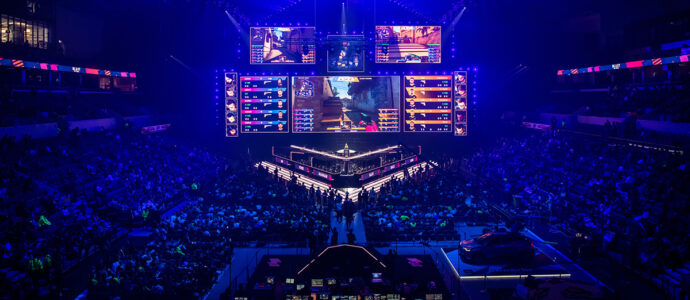
The appeal gets stronger when a list stops being nostalgic and starts touching on active competition. A fan can rank favorite teams, players, or characters for years, but the conversation changes when the hierarchy is no longer frozen in memory. That is where Bovada esports odds fit naturally into the picture. This page is useful because it places esports in a live sportsbook context where current form, matchup conditions, and title-specific momentum all matter at once.
That does not replace fan opinion. It sharpens it. If a community says one roster belongs in the top tier, a real-time market view gives that claim a different kind of pressure test. It asks whether the ranking is about legacy, present shape, or simple affection. Read that way, Bovada esports odds are not the end of the argument. They are a reminder that fan tiers often mix three separate ideas without admitting it: peak, consistency, and who looks strongest right now.
That same instinct carries over to other ranking debates. If you want to watch the same logic play out in a familiar sports setting, this Baron Davis and Vernon Maxwell point guard debate is a clean example. The discussion works because the names alone are not doing the heavy lifting. The criteria keep shifting in the conversation. Athletic burst, pace control, shot creation, longevity, and stylistic influence all pull a list in different directions. Once that happens, the ranking stops being a neat answer and starts becoming a mirror. You learn what each person values most, which is exactly why these debates stay alive.
Most “Bad” Tier Lists Are Actually Unclear
This is where weak tier lists lose people. The issue is usually not bias by itself. Fans expect bias. The real problem is vagueness dressed up as certainty. A list feels fair when the frame is visible. If S-tier means cultural impact, that can work. If it means pure mechanics, that can also work. If it means who delivers best under pressure, that is still valid. Trouble starts when two or three definitions get stacked together and presented as though they belong to one clean scale.
That is why the most memorable tier lists usually limit the question. “Best villain appearance” is clearer than “best villains.” “Most influential fighting game characters” is clearer than “greatest roster ever.” A sharper frame creates better disagreement because people know what they are pushing against. It also makes the comments more interesting. Instead of arguing over everything at once, fans start arguing over which measure deserves priority. They are not reacting only to a ranking. They are reacting to the rules behind it.
The Argument Is the Product
Tier lists stay popular because they turn spectators into participants with almost no friction. You do not need to publish a manifesto to join in. You just need enough conviction to move one name up or down. That low barrier is powerful. It makes ranking culture easy to share, easy to remix, and easy to revisit every time a fandom gets a new season, patch, roster move, or breakout performance. The format is flexible enough to fit nostalgia, current form, and pure entertainment without pretending those are the same thing.
There is also a deeper emotional layer. Fans are rarely defending only a placement. They are defending a version of the culture that made them care in the first place. A favorite era, a favorite cast, a favorite patch, a favorite style of play. That is why tier lists keep winning. They are not just rankings. They are compact arguments about meaning, and fans rarely get tired of defending what matters to them. That durability lines up with newer research showing how emotional investment and psychological ownership can intensify fan enthusiasm over time.