
If you have been watching anime for any amount of time, you have probably picked up a few Japanese words without even trying. “Sugoi,” “kawaii,” “nani,” “baka.” They stick in your head because you hear them constantly, tied to emotions and scenes that make them impossible to forget. That is not an accident. It is actually how language acquisition works best: through context, repetition, and genuine interest. Anime’s global influence has been well documented, and for many fans, learning Japanese feels like the natural next step.
The problem is that most language apps teach Japanese the way a school would: disconnected sentences, formal grammar tables, vocabulary lists that have nothing to do with the content you actually consume. That approach works for some people, but if anime is what got you interested in Japanese in the first place, why not build on that?
The good news is that anime fans are already better positioned to learn Japanese than most people realise. The Japan Foundation’s global survey found that manga and anime are among the top motivations for studying Japanese worldwide. You have been doing passive listening for years. You know what the language sounds like, you recognise emotional registers, and you have built a vocabulary of common words without any formal study. All you need is the right tool to turn that passive exposure into active understanding.
Here are six apps that will help you go from recognising a few words in your favourite shows to genuinely understanding what characters are saying.
1. Promova
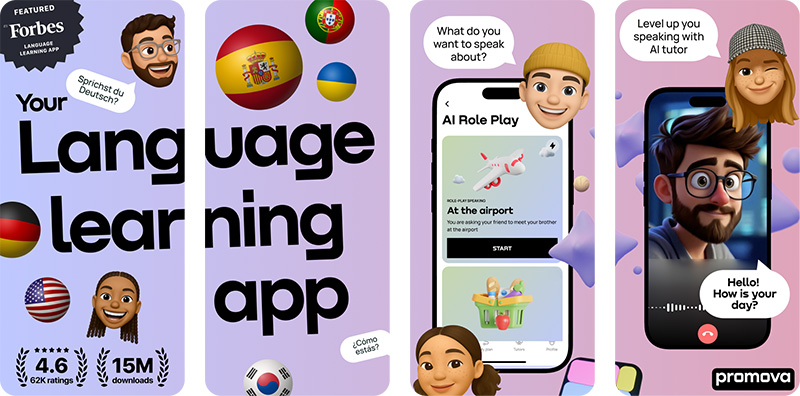
Promova is a language learning app for people who want to speak, not just study. The Promova Japanese course combines structured self-study with AI speaking practice, so you are not just memorising vocabulary in isolation. You get to have AI conversations that simulate real dialogue, which means you build the confidence to actually use what you learn.
For anime fans, this matters. The Japanese you hear in shows like “Jujutsu Kaisen” or “Spy x Family” is casual, expressive, and full of nuance that formal courses tend to skip entirely. Promova teaches you to recognise and use those conversational patterns, and the AI tutor gives you a safe space to practise without the pressure of a live conversation. The bite-sized lesson format also works well if you are fitting study sessions around your watchlist rather than the other way around.
2. LingoDeer
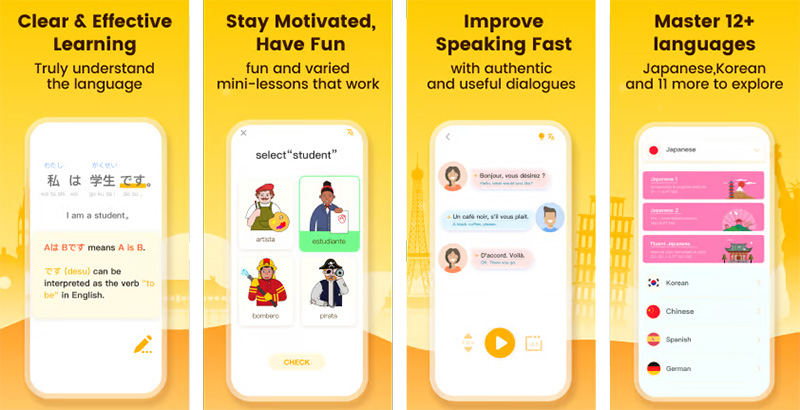
LingoDeer was designed specifically for East Asian languages, and it shows. Where many apps treat Japanese as an afterthought, LingoDeer builds its entire curriculum around the way the language actually works, starting with hiragana and katakana before moving into grammar and sentence structure.
The grammar explanations are clear and concise, which is a relief if you have ever tried to figure out Japanese particles on your own. It teaches you why a sentence is structured a certain way, not just what it means. For anime fans, this helps you start breaking down dialogue in real time rather than just memorising stock phrases.
3. WaniKani
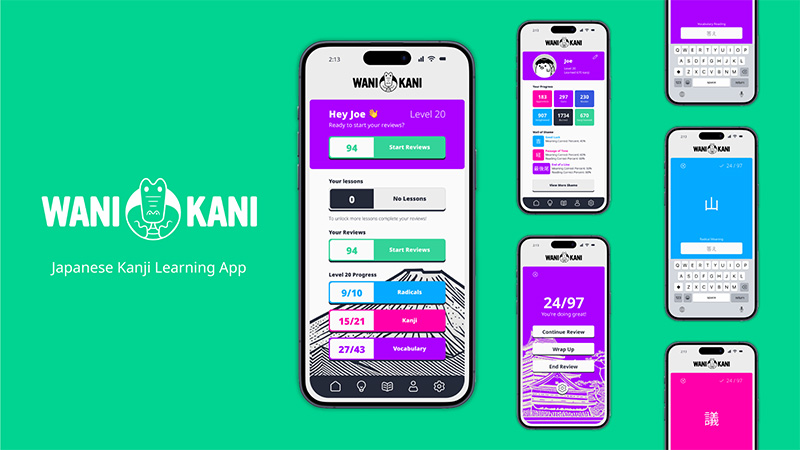
If kanji is the thing that intimidates you most about Japanese, WaniKani is built to solve exactly that problem. The app uses a spaced repetition system combined with mnemonics to teach you over 2,000 kanji and 6,000 vocabulary words. The mnemonics are often absurd and funny, which makes them surprisingly memorable.
This is especially useful for fans who want to read manga in the original Japanese or follow along with on-screen text in anime. Knowing kanji transforms your understanding of the language from surface-level recognition to genuine reading comprehension. Once you start recognising characters on screen, you will notice them everywhere: in episode titles, character names, attack names, and the signs and posters that animators put so much effort into drawing accurately.
4. HelloTalk
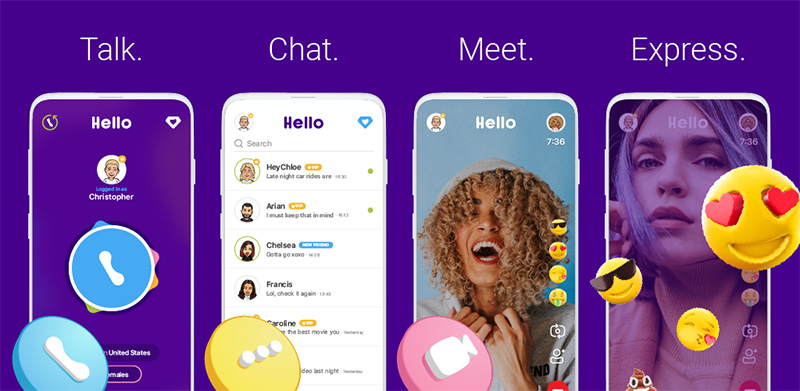
HelloTalk is not a traditional learning app. It is a language exchange platform that connects you with native Japanese speakers who want to learn your language. You chat, correct each other, and build real conversational skills in the process.
For the anime community, this is gold. You can find language partners who share your interests, discuss your favourite shows in Japanese, and get real-time corrections on your writing and pronunciation. The conversations feel natural because they are natural. You are not responding to a bot or completing a fill-in-the-blank exercise. You are talking to someone who can explain why a character used a particular verb form and what it says about their personality. If you are already attending anime conventions in Japan or planning to, HelloTalk partners can also become real-life contacts once you arrive.
5. Anki
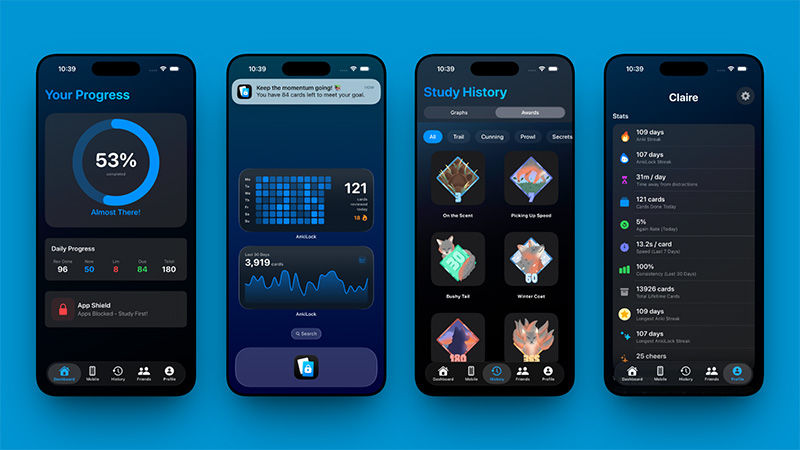
Anki is a flashcard app, and it is not pretty. The interface looks like it was designed in 2005 (because it was). But do not let that put you off. Anki is one of the most powerful vocabulary retention tools available, and the Japanese learning community has built thousands of free decks specifically for anime fans.
You can find decks organised by anime title, JLPT level, or thematic category. The spaced repetition algorithm ensures you review words right before you are about to forget them, which makes your study time extremely efficient. Many serious Japanese learners consider Anki the single most important tool in their toolkit, and for good reason.
6. JapanesePod101
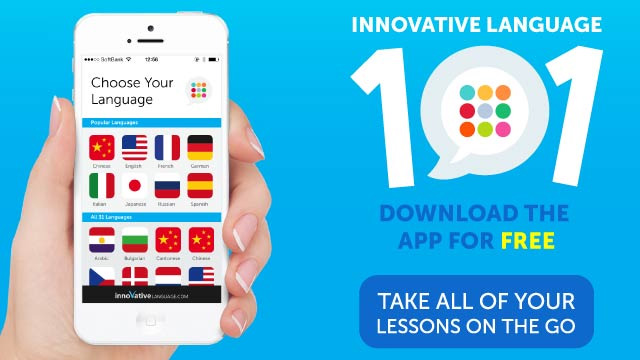
JapanesePod101 takes an audio-first approach with thousands of podcast-style lessons covering everything from absolute beginner to advanced. The hosts are engaging and explain cultural context alongside the language, which is particularly useful for understanding why characters in anime speak the way they do. Research from the MIT Media Lab has shown that audio-based media exposure significantly improves listening comprehension, especially when paired with visual context.
The platform also includes lesson notes, vocabulary lists, and a line-by-line dialogue breakdown for each episode. If you commute or prefer learning by listening, this is the app that will fit most naturally into your daily routine. You can listen to a lesson on the way to work and then watch an anime episode in the evening to hear the same patterns in action. The combination of audio lessons and real anime exposure creates a feedback loop that accelerates your comprehension faster than either approach alone.
Which One Should You Start With?
Honestly, the best approach is to combine two or three. Use Promova or LingoDeer for structured lessons, WaniKani or Anki for kanji and vocabulary, and HelloTalk for real conversation practice. The apps complement each other, and switching between them keeps studying from feeling repetitive.
The fact that you already watch anime means you have a head start most learners do not have. You already know how Japanese sounds, you recognise common words, and you have emotional connections to the language that most beginner learners spend months trying to build. These apps just give that foundation some structure. Start with the one that fits your learning style, stick with it for a few weeks, and pay attention to what happens the next time you watch a new episode. You will start catching words you never noticed before, understanding jokes without reading the subtitles, and picking up on tonal shifts that the translation cannot fully convey. A year from now, you could be watching your favourite shows raw, and that is a feeling worth working for.