Casinos have long been seen as symbols of glamour, wealth, and vice. From the bright lights of the Las Vegas Strip to smoky back rooms of high-stakes gambling parlors, casinos have long been used in both films and TV series as settings to explore morality, power, and ambition.
Fictional casino owners play pivotal roles in shaping many iconic films and series’ narratives, with both kind-hearted, just, and manipulative owners acting out within them; all playing key roles in shaping narratives within these fictional casino owners themselves. Similarly, in the real world, Slovenian online casinos like those found at najboljsaspletnaigralnica.si offer European players a chance to experience the excitement of gambling in the EU, with the EU having specific regulations to ensure safe and fair play in the digital gambling space.
Here, we look at some iconic fictional casino owners from both good, bad, and ruthless categories to help shape narratives further.
The Good: Ethical Casino Owners with a Heart of Gold
While casinos may often be perceived as places of corruption and decadence, fictional casino owners who embody good morals in their stories stand out. These characters strive to make their businesses more than simply places to gamble: They strive for entertainment, community involvement, and redemption within their business’s walls.
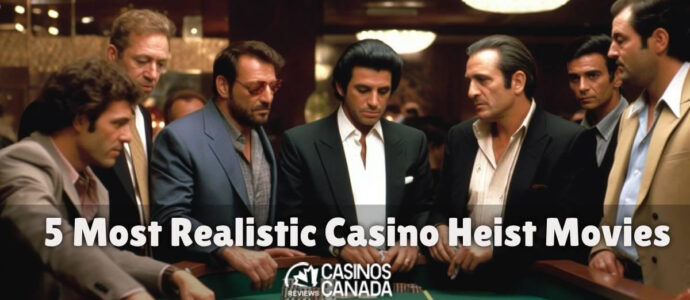
One of the best-loved “good” casino owners from Martin Scorsese’s 1995 film *Casino* was Sam “Ace” Rothstein, portrayed by Robert De Niro and running Tangiers Casino with an iron fist, yet not without virtues or vices; his portrayal as a meticulous, professional businessman striving for fair operations amid corruption is essential as Ace ultimately succumbs to love/loyalty issues which leads to his downfall; however, despite these moral shortcomings his character represents someone trying to succeed within an inherently dishonest industry; Robert De Niro plays his character so well; audiences could feel his compassion as much as his iron fist clad casino boss.
James “Jimmy” Chance of ‘The Casino’ (2011) offers one of television’s more sympathetic depictions of casino owners: James ‘Jimmy” Chance from this lesser-known yet intriguing show inherits an empire but doesn’t engage in cutthroat dealings, preferring instead ethical management that often puts him in conflict with more questionable characters in his series. Jimmy stands out among this genre, often filled with corrupt managers or those with questionable ethics – his sense of fair play and genuine care for employees makes him stand out among casino figures often depicted by antagonists!
The Bad: Greedy and Corrupt Casino Owners
At the other extreme are casino owners more concerned with personal gain than with patrons’ welfare, employees’ wellbeing or legal regulations. Such characters tend to be driven by greed; their unethical means for controlling their empire often puts them into direct conflict with both heroes and antiheroes of a story.
Tony Montana from ‘Scarface’ (1983), played by Al Pacino, is perhaps the most iconic villainous casino owner. Rising from poverty to become a notorious drug lord and casino owner. While Montana does not fit the traditional “casino mogul” mold, his casino’s presence plays an instrumental role in his rise to power; its ownership is pivotal in this regard as Montana pursues wealth, power, and control through violent action that ultimately ends his life. Montana represents ambition unchecked by morality, leading him down an irresistible pursuit of the American dream that ultimately brings death upon him – his casino being emblematic of excess and corruption that accompany this pursuit ruthlessly pursued to his demise despite it all.
Joe Pesci plays Joe Santoro as his counterpart to Ace Rothstein: Nicky Santoro in Casino. Nicky represents the darker side of casino culture: where mob influence, backstabbing and sheer violence form its basis of success. In contrast with Ace, however, Nicky embraces its corrupt side embracing violence to achieve his goals; Nicky illustrates how greed can cause people to forgo moral principles in favor of power and control.
The Ruthless: Casino Moguls with the Willpower for Growth
Casino owners thread an uncertain line between good and evil when it comes to protecting their wealth and power, often resorting to extreme measures to do so. They will go as far as backroom deals, blackmail, or violent intimidation in order to maintain control of their gambling empires.
One of TV’s most notorious casino owners, Mr. Wu from ‘The Casino Tycoon’ stands out. As owner and operator of an enormous casino, he tightly oversees every aspect of business operations, from marketing manipulation and competitor suppression through wealth accumulation to using his wealth as leverage against them and achieving his ruthlessness to succeed in the gambling business. Mr. Wu’s character shows us the darker underbelly of the casino business, where success often results from manipulation and oppression rather than hard work alone.
Fictional casino owners – whether good, bad, or ruthless – often play an integral part in the stories in which they appear. Their characters offer audiences insight into the high-stakes gambling world where power, greed, and morality often collide explosively. From morally confused Ace Rothstein to violent manipulator Terry Benedict, these figures play an essential role in understanding complex relationships and moral dilemmas central to both film and television narratives; whether seeking redemption, power, or revenge, they provide audiences an inside look into this lucrative industry.