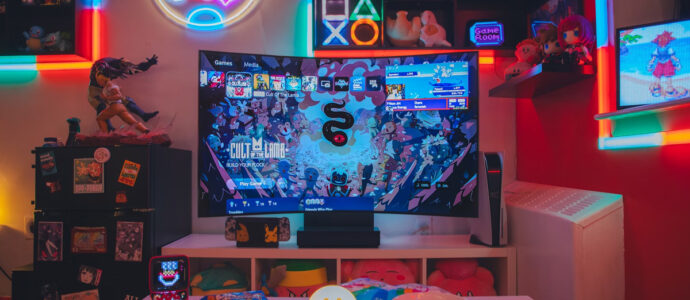
Digital comics give television and anime fans another way to follow serialized stories between conventions. They also make it easy to start because many series are designed for short reading sessions.
Fans can read online comics through browser-based platforms without collecting physical volumes before discovering what they enjoy. That makes digital reading a practical next step for people already following stories across screens.

Why Do Digital Comics Appeal to TV and Anime Fans?
Digital comics use storytelling habits that television and anime audiences already understand very well. Episodes develop characters gradually and keep larger storylines moving across many separate installments.
That structure makes the move from watching stories to reading them feel surprisingly natural. Readers still follow developing relationships and recurring conflicts across episodes released over longer periods.
Webtoons also change how those stories appear on a phone or tablet screen. Most use vertical scrolling, allowing each panel to appear as readers move downward. Grand View Research found that phones and tablets accounted for 76.3% of the webtoons market in 2023. Its 2026 estimate puts the global market at $18.3 billion. Mobile reading is clearly becoming part of mainstream entertainment habits, not just something for dedicated comics fans.
How Are Manga, Manhwa and Webtoons Different?
Manga generally refers to comics created in Japan, in both print and digital formats. Manhwa refers to Korean comics, although the term covers several different publishing styles.
Webtoon describes a digital format built around continuous vertical scrolling on electronic screens. South Korean publishers helped popularize that format before it expanded into international markets.
Someone who follows Japanese animation may start with manga connected to familiar storytelling traditions. A K-drama viewer could discover Korean webtoons sharing similar approaches to serialized drama.
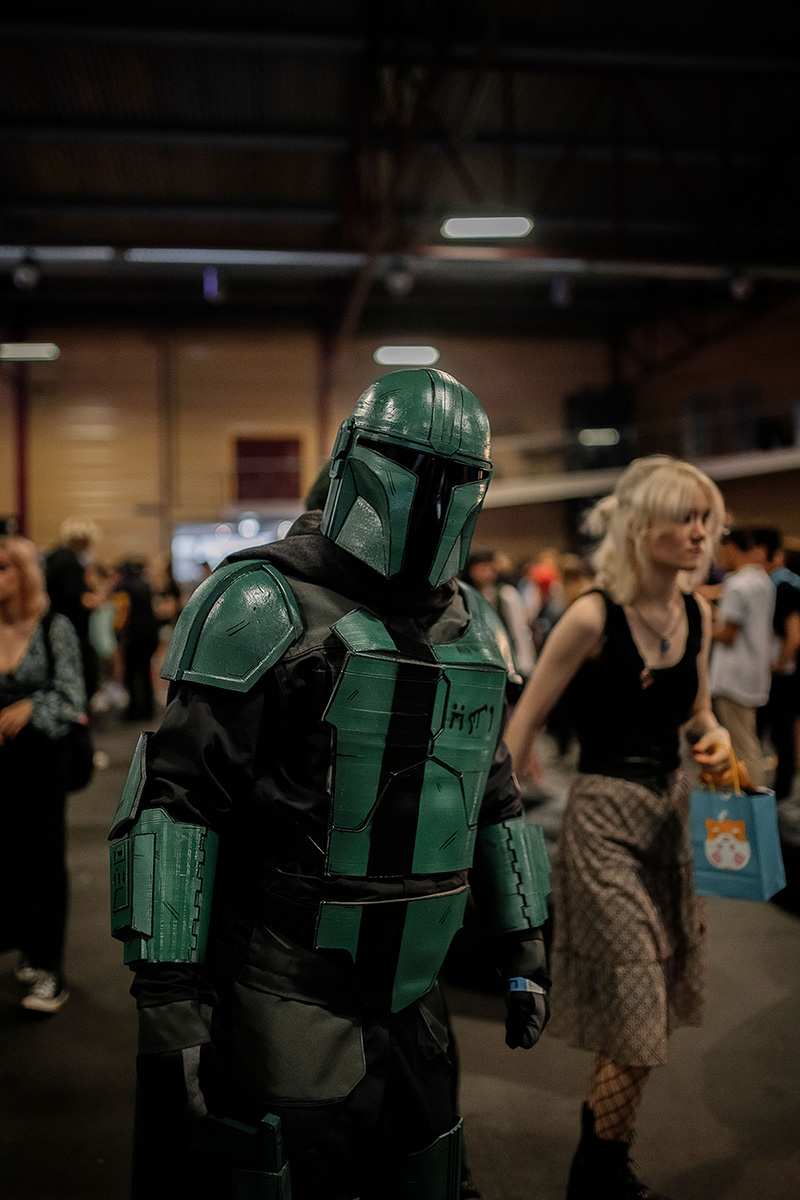
That crossover has become increasingly visible inside convention culture during recent years. RosterCon reported that KPEX 2027 will bring K-Comics into a New York event covering wider Korean popular culture. The event also gives fans another example of comics appearing beside screen-based entertainment.
What Should You Look for in Your First Digital Comic?
Your first series should probably resemble stories you already enjoy in other formats. Familiar genres make learning a different reading format much easier at the beginning.
Anime fans interested in fantasy adventures can start within the same broad genre. Viewers who prefer relationship-focused dramas may feel more comfortable beginning with romance stories.
Episode length is also important when choosing something you plan to follow regularly. A short episode can be finished when you only have a few minutes available. Longer chapters need more time, which makes them better for a proper reading session.
Publication status can also shape the experience of following a new digital series. Completed comics let readers move through the entire story at their own pace. Ongoing series create regular anticipation because another episode arrives after the latest stopping point.
The device matters because different comic formats use screen space in different ways. Vertical webtoons generally suit smartphones because artwork follows the display downward naturally. Traditional page layouts often feel more comfortable on tablets with larger screens.
These choices matter more than finding one title everybody considers suitable for beginners. A useful first comic should match existing interests and fit the reader’s normal routine.
How Can You Find a Good First Series?
Large digital libraries can make choosing difficult because every cover competes for attention. Starting with one familiar genre usually removes much of that initial uncertainty.
Readers can also use curated collections when they want several starting options together. HoneyToon’s guide to the 12 best first-time reads on HoneyToon collects introductory choices from its current catalogue.
Descriptions can quickly reveal whether a premise matches the kind of story you enjoy. Episode counts also show how much reading waits beyond the opening installments.
Checking publication status helps readers avoid reaching an unexpected stopping point midway through a story. Some people prefer knowing the ending already exists before beginning a longer series.
Trying several formats can also reveal which reading style feels most comfortable. Some readers quickly enjoy scrolling through episodes on their phones during short breaks. Others prefer larger screens and longer sessions when they have uninterrupted time available.
[IMAGE: Man using a tablet in
front of bookshelves]
Alt text: Man using a tablet while sitting in
front of bookshelves.
Pexels image for this placement
Can Comics Keep a Fandom Going Between Events?
Convention weekends concentrate months of enthusiasm into only a few crowded days each year. Comics give fans another way to explore similar interests between those scheduled events.
Someone attending an anime convention may start exploring manga after discovering a new series. K-drama fans can move toward webtoons using familiar approaches to romance and drama. Comic conventions can introduce creators whose other work remains available after everyone travels home.
Digital formats make those discoveries easier to continue after the event itself ends. A title mentioned during a panel can be found later on your phone. Artists discovered in convention halls can lead readers toward other comics they previously missed.
That makes digital reading particularly compatible with convention culture during 2026. Events provide shared experiences that can introduce people to unfamiliar stories and creators. Reading then gives individual fans another way to continue exploring those interests throughout the year.
FAQ
Are webtoons the same thing as manga?
Manga comes from Japan, while webtoons became popular in South Korea. The biggest difference is in the way you read them. Manga uses full pages with several panels at once, while webtoons place each part of the story below the last, so you keep scrolling down.
Do you need a tablet to read digital comics?
Not really, because most digital comics are designed specifically for smartphones. Vertical webtoons work especially well on smaller screens because readers scroll downward through individual panels. Tablets can become useful for larger artwork or comics that retain traditional page-based layouts.
Are completed comics better for first-time readers?
Completed comics can provide an easier starting point because the whole story already exists. Readers can choose their own pace without waiting for another scheduled episode. Ongoing series suit people who enjoy following releases gradually and discussing new story developments with other readers.
How do you choose a digital comic after finishing an anime?
Start with the genre or storytelling style that made the finished anime enjoyable. Readers who liked fantasy can explore fantasy comics, while drama fans can search for similarly character-focused stories. Checking descriptions and episode counts before starting also helps narrow larger digital catalogues quickly.