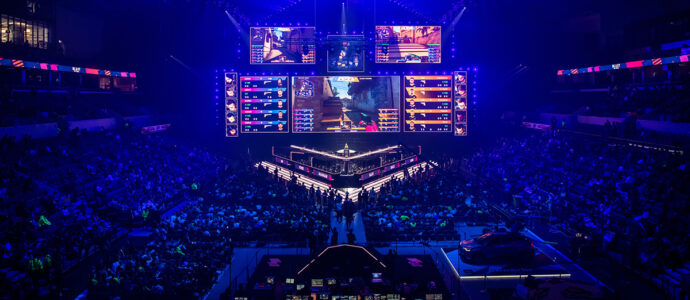
The entertainment industry is undergoing a significant shift as major Hollywood studios and long-established game creators license some of their biggest intellectual properties. Instead of watching favorite game shows from the sofa, audiences can now experience them through sophisticated live broadcasts.
This blend of pop culture and real-time gaming is changing the way people connect with well-known entertainment brands.
The Evolution of the Game Show Format
Game shows have been entertaining TV audiences for decades, affording millions of people an opportunity to fantasize about being part of the show, spinning the wheel or opening the prize briefcase. For decades, however, this experience had been one-way only.
You could watch, guess and cheer at your leisure, but only the participants could actually enjoy their participation.
This model is evolving. Entertainment companies are increasingly partnering with digital entertainment companies to produce interactive spaces that allow audience members to take part in a show.
By mixing augmented reality technology with physical TV studio sets, such programs offer participants an experience similar to being on a TV studio floor, only from virtually anywhere in the world. Instead of watching a popular franchise, you get to participate in the show.
The transition is a response to changing entertainment consumption patterns. Audiences nowadays expect their entertainment to be interactive rather than passive, with live participation being an important characteristic of any digital entertainment format.
Developments in streaming technologies, broadcast media and production techniques have made the experience of interacting with such formats even more realistic. Under such conditions, the divide between TV shows and interactive entertainment is narrowing continuously, enabling an improved experience of well-known formats.
Redefining the Live Streaming Experience
Behind these productions is a sophisticated streaming infrastructure designed to mirror the quality of professional television broadcasts. Rather than relying entirely on automated systems, viewers interact with real presenters who guide the action, speak with participants and keep the pace moving throughout each session. Nowhere is this more visible than in the live casino studios where these game show adaptations are actually produced.
This approach has contributed to the growing popularity of the online casino live dealer format, which blends live human interaction with digital interfaces to recreate the atmosphere of a professional studio.
High-definition cameras, green screens and broadcast-quality audio all help deliver production values that feel closer to prime-time television than traditional online casino experiences.
Several production techniques help create that atmosphere:
- Professional Studio Hosts: Presenters keep the energy high, interact with live chat and capture the style of traditional television personalities.
- Augmented Reality Mechanics: Digital characters, including animated figures like Mr. Monopoly, move through physical studio sets, merging virtual animation with real environments.
- Multi-Camera Direction: Automated camera changes focus on spinning wheels, game equipment and presenter reactions to build anticipation throughout each round.
The Power of Nostalgia and Familiar Brands
One of the biggest reasons these productions attract attention is the strength of familiar brands. Creating an entirely new gaming concept requires time to explain the rules and build an audience. Established franchises, on the other hand, already come with decades of recognition.
When you see the signature red briefcases from Deal or No Deal or the instantly recognizable Monopoly board, you already understand the basic concept. That familiarity reduces the learning curve while tapping into nostalgia built through years of television viewing and family game nights.
For entertainment companies, these emotional connections help keep long-running franchises relevant as they reach younger audiences who consume media very differently from previous generations.
Gamifying Popular Entertainment Franchises
Turning a television program or board game into a continuous live-streamed experience involves much more than copying the original rules. Developers have to redesign familiar mechanics, so they work smoothly for large audiences participating simultaneously.
In Monopoly Live, the traditional property-trading gameplay gives way to a giant prize wheel, with selected segments unlocking a fully realized 3D version of the iconic board. Adaptations of Deal or No Deal retain the famous suitcase elimination rounds after qualification stages, complete with the familiar Banker making offers during the game.
These updates preserve each franchise’s identity while introducing faster gameplay designed for modern live broadcasts.
What Lies Ahead for Streaming Entertainment
The crossover between popular culture and live-streamed gaming continues to expand as media companies look for new ways to leverage their extensive intellectual property libraries. Future projects may draw inspiration from reality television, science fiction franchises and well-known film series as studios continue exploring interactive formats.
As virtual reality hardware and 5G connectivity become more common, these experiences are likely to become even more immersive. AI-driven storytelling may eventually allow audiences to influence events in real time, further narrowing the gap between watching and participating.
You could one day find yourself inside a virtual studio audience, interacting with digital versions of familiar personalities or exploring cinematic worlds between game rounds.
Together, these developments point towards a future where entertainment becomes increasingly collaborative, with audiences playing a much larger role in shaping the experience.