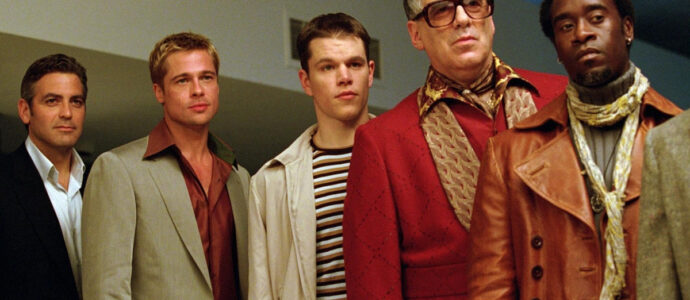
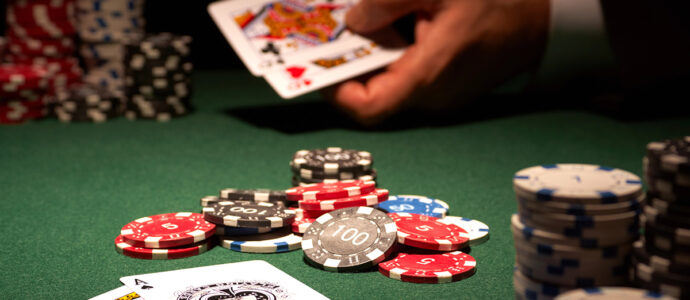
Gambling has grown so widespread in modern culture that it has infiltrated popular media. Films, TV shows, and music videos often include gambling to different extents, as these sequences can serve as a pivotal story element or portray folks indulging in a widely enjoyed hobby.
Although efforts are made to preserve genuineness, many seasoned gamblers may identify flaws in the portrayal of casino scenes in films. At times, the storyline may prioritize advancing above realism, resulting in occasional inaccuracies. As a result, many directors hire experts to guarantee that the portrayal remains authentic and faithfully represents the actuality of the gaming industry.
However, what is the level of precision in depicting gambling situations in Hollywood? Let us explore the world of cinematic casinos and discover how accurate casino scenes in movies actually are!
Why is realism so important in casino films?
The degree of authenticity in casino-themed films is crucial in shaping their influence on viewers. The portrayal of casino locations, games, and the entire ambiance is essential for the success or failure of these films since it serves as the foundation around which they are built. For instance, lifelike portrayals of games like poker and blackjack appeal to viewers who are familiar with these games and arouse the interest of others who are less familiar.
The inclusion of genuine casino games, such as poker, blackjack, roulette, and slot machines, enhances the narrative’s authenticity. It appeals to both enthusiastic gamblers who value precise representations and teaches others less familiar with casino games. If executed well, these films may function as an intensive educational experience on the subject of casino culture, acquainting viewers with the regulations, tactics, and complexities of different games.
Moreover, the meticulous replication of casino environments, complete with lavish decorations, vibrant neon lights, and lively crowds of people, enhances the entire atmosphere of the motion picture. The film’s commitment to authenticity is evident in its ability to immerse the spectator in the casino environment, creating the sensation of being present at the gaming tables or next to the slot machines.
Real Life vs. Hollywood
Emotional Challenges and Cognitive Distortions
It is widely debated that films often fail to accurately depict the cognitive errors and emotional difficulties experienced by actual gamblers.
An example of a cognitive distortion commonly observed in gambling is the illusion of control when players mistakenly feel that they have the ability to affect results that are, in reality, solely decided by chance. Most gambling films tend to prioritize showcasing the glitz and challenges of gambling rather than delving into its psychological intricacies, leaving this element mostly unexplored.
Although these cinematic renderings are captivating, they often prioritize the story’s momentum above factual precision. They create intricate portrayals of individuals who experience the ups and downs of casino existence. However, their depictions generally exclude the ordinary aspects of genuine gambling.
Casino Probability and Mechanics
Examining the games’ physics in gambling films exposes a discrepancy between fantasy and reality.
Consider, for example, the intense poker game in the movie Casino Royale. The game reaches its dramatic finale with an exceedingly unlikely Straight Flush hand, which, although exhilarating for spectators, greatly exceeds the usual limits of game possibilities. In addition, there was a flush and two full houses, all occurring in the same round. From a mathematical perspective, this combination of hands is extremely unlikely to happen.
While such situations may be rare and provide a sense of excitement in movies, they might give spectators a misleading impression of the actual probabilities and tactics in poker.
Realism On Point: The Most Credible Casino Scenes in Movies
Casino (1995)
Our exploration of casino-themed films starts with ‘Casino’ (1995), helmed by the renowned Martin Scorsese. This film immerses spectators in a world of splendor in 1970s Las Vegas, where mob-controlled casinos serve as the backdrop. Scorsese’s meticulous focus on detail is evident in the accurate reproduction of casino environments, encompassing the lavish floors and grandiose showrooms.
The distinguishing factor of “Casino” is its genuine depiction of casino games, where the intense atmosphere around the gaming tables is tangible, making it exceptional in terms of authenticity. Robert De Niro and Joe Pesci portray individuals intricately connected to the gambling industry, enhancing the story’s profound realism and credibility.
Owning Mahowny (2003)
Owning Mahowny, helmed by Richard Kwietniowski, is a compelling examination of the perils of gambling addiction. The film accurately depicts the psychological ramifications of obsessive gambling as we observe the journey of a bank manager, portrayed by Philip Seymour Hoffman, who misappropriates cash to sustain his addiction. The casino scenes effectively depict the exhilarating highs and crushing lows of gambling, providing an unfiltered and authentic viewpoint. The film’s authenticity is enhanced by the characters’ problems and the casino location, which makes it a captivating inclusion in our compilation of the most precise casino films.
Inaccuracies in film from casino reality
Beating the Odds
Cinematic deviations sometimes manifest as dramatic exaggerations, cliches, and artistic liberties that, although enjoyable, diminish the credibility and authenticity of the movie. A recurring theme is the depiction of talented gamblers who continually triumph against the odds or outwit the casino. These personalities bring fascination and thrill, yet they frequently go against the statistical probabilities of casino games, where the house usually maintains an edge. Unfortunately, film rarely highlights the added benefits of real life incentives such as Sweeptastic casino promo codes.
A Glamorous Lifestyle
Another deviation from reality is the extravagant and excessive way of life sometimes associated with those who visit casinos and the personas shown in these movies. Although there are indeed wealthy individuals who live in a luxurious manner, not all casino customers enjoy such opulent lifestyles. The perpetual existence of opulent automobiles, lavish penthouse accommodations, and boundless financial resources for gaming might engender a skewed perception of casino culture.
The result of Hollywood Casino Scene Inaccuracies
The disparities between cinematic depictions and actual gambling provide amusement and influence views. Viewers may develop misconceptions regarding the simplicity of outsmarting the casino, the frequency of significant victories, or the efficacy of specific gambling tactics. These depictions might reinforce misconceptions about gambling, such as the idea that one’s fortune can change by betting more money or that poker is just about interpreting facial expressions rather than a multifaceted combination of strategy, psychology, and luck.
Although these mistakes may appear innocuous within fictional storytelling, they have consequences for actual human behavior. Prospective gamblers may enter the casino with impractical anticipations, ill-equipped for the practicalities of gambling, or excessively self-assured in their skills influenced by what they have seen on TV.
Although gambling films frequently offer a glimpse into a realm of significant risks and intense emotions, their dedication to factual precision varies greatly. As historical documents, they provide a distorted perspective, influenced by the requirements of creating dramatic effects and captivating the audience.
In conclusion, it is important for people seeking an accurate portrayal of casino life and the psychology of gambling in these films to acknowledge the discrepancies between Hollywood’s image and the experience of gambling in real life.