What happens in Vegas stays in Vegas—unless it is depicted on the cinematic screen!
For several decades, filmmakers have been captivated by Sin City, incorporating it into many genres, such as thrillers, comedies, romances, and dramas.
‘The City of Lights’ appeals not just to visitors and the American populace but also to filmmakers, who regard the city as an optimal setting for their blockbuster movies.
Today, we examine the reasons filmmakers are drawn to Las Vegas for shooting, including its casinos and notable sites featured in films.
Filmmakers and their love for Las Vegas
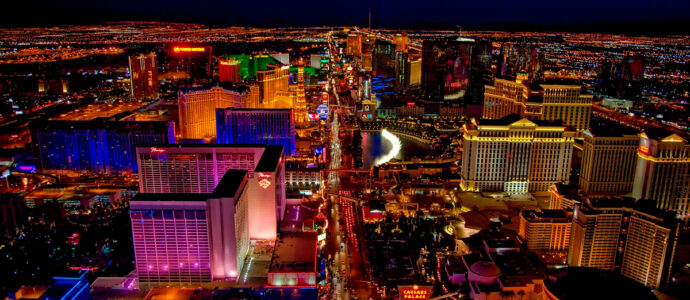
Hollywood has a strong affinity for Las Vegas. The historical significance, casinos, and vibrant illumination provide it a great location for filming a movie or capturing scenes. The perception of detachment from quotidian existence also renders it an ideal setting for a cinematic scenario. Combine this with the drama, intrigue, and allure that Las Vegas provides, and you have a place that captivates movie filmmakers.
The aesthetics and allure of Vegas are not the sole consideration, though. Sin City possesses a superior infrastructure for film production. This location features several production firms, skilled crews, and ample tools to assist filmmakers on-site. Nevada also presents tax advantages to filmmakers, fostering a welcoming environment for movie production where filming movies in LV may be more economical than in alternative locales.
From a Financial Standpoint
One of the primary reasons for Las Vegas’s popularity in the film industry is the multitude of financial incentives available. A 15 per cent transferable tax credit on eligible production expenses significantly benefits filmmakers seeking to maximise their budgets.
Utilising Las Vegas as a filming location may grant individuals incentives for eligible films, elucidating the city’s emergence as one of the most favoured locales in America for filmmaking. Although the system imposes a project maximum of $6 million per production, this sum can significantly impact a director’s ability to create an impactful picture.
The No.1 Location for Casino Movies
If a film’s plot involves a casino storyline, the capital of gambling is obviously the go-to location.
Any filmmaker intending to create a casino-themed movie or a film with sequences set in a casino would likely head directly to Las Vegas. The gaming, urban nightlife, and performances are ideally suited for casino films.
The frenetic pace of the gaming scenes renders Vegas an ideal backdrop for a casino film. The presence of an underdog, an antagonist, or a high-stakes scenario enhances both the narrative and the audience’s experience. It enhances suspense and establishes the potential for a story surprise.
Since the legalisation of gambling, casino culture has significantly influenced Las Vegas. The city is renowned as a haven for the affluent and celebrated and as the global epicentre of entertainment.
Assisting the Shift in Casino Culture
Films centred around casinos, such as “Casino,” have contributed to reinforcing the casino culture associated with high rollers. Nonetheless, a transformation has occurred in Las Vegas and several casino resorts globally, rendering these institutions accessible to the general public. Numerous casinos have stopped implementing a strict dress code, allowing patrons to engage in slot and table games irrespective of their attire.
Contrary to cinematic portrayals, one need not attire oneself like James Bond to engage in 007 at the roulette table.
The rise in accessibility is mostly attributed to the emergence of online casinos, which have rendered casino gambling more attainable; here’s more info explaining intricacies of online casinos. The online environment has benefitted casinos by allowing players to acquire gaming knowledge, utilise bonuses provided by many casinos, and refine their abilities, enabling them to confidently engage in traditional casinos. Online gaming has enabled established casinos to enhance their operations and cater to gamers who like gambling in the comfort and privacy of their own homes.
Las Vegas Beauty
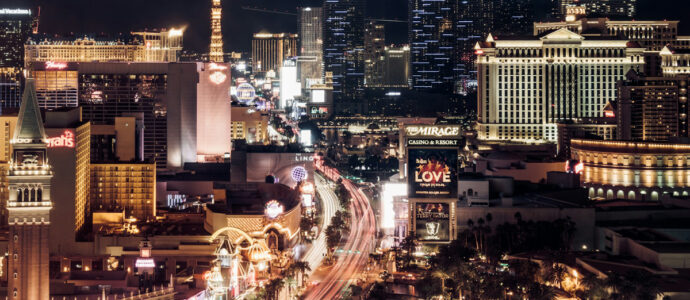
Film directors employ many techniques to distinguish their films from others. One method is utilising striking, unforgettable backdrops, of which plenty of options are available on the Vegas Strip. This section of the city is immediately identifiable to anyone globally, even if they have never visited Las Vegas personally.
A film such as The Hangover, which contributed to the prominence of Zach Galifianakis and Ken Jeong, accentuates the clichés of Las Vegas as a party city where everything is possible. The city’s ideal location for filming gambling films is evident due to the abundance of casinos available, but action sequences are also effectively executed here.
Even James Bond has experienced a documented escapade in Las Vegas. In Diamonds Are Forever, the secret agent portrayed by Sean Connery visits a Las Vegas casino and participates in a notable car chase around the Strip in an otherwise unremarkable film.
Final Thoughts: An Endless Love Affair
Hollywood’s persistent fascination with Las Vegas is a perennial movie theme that has lasted for several decades. Las Vegas has functioned as a compelling backdrop for filmmakers to examine themes of risk, reward, excess, and ambition, ranging from the opulence of the Rat Pack period to the stark realism of crime dramas.
As the city progresses, its representation in film will also transform, guaranteeing that this cinematic romance persists for future audiences. Las Vegas serves as both a tourist destination and an inspiration for filmmakers. It is a locale where aspirations and conflicts manifest beneath the enchanting neon lights, ensuring Hollywood’s enduring romance with the city remains a timeless and compelling story.