The anti-heroes in today’s modern TV dramas have put a face to turning around the old idea of a hero. Such character depictions expose a change in cultural attitudes and give a better look at human nature. The anti-hero’s rise has derailed TV storytelling, challenging and redefining the dramatic series landscape.
Anti-Heroes in Modern TV Dramas
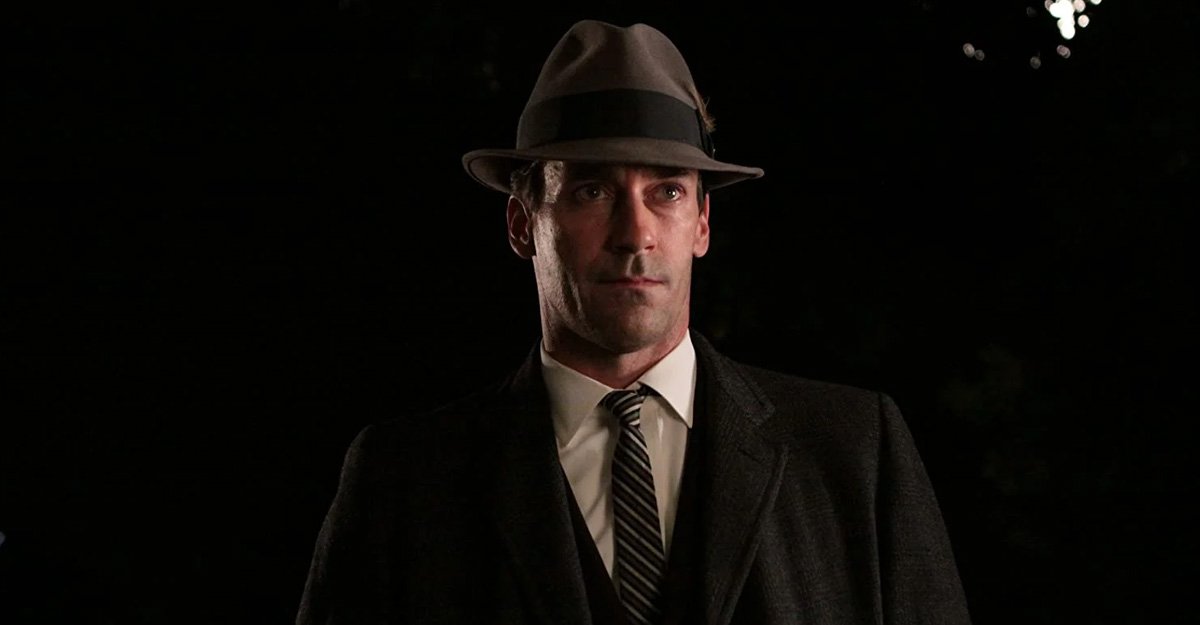
From 2007 to 2015, Mad Men held audiences spellbound with its tale of the dapper Don Draper. Created by Matthew Weiner and played by Jon Hamm, this ad exec of the 1960s is the epitome of charming and flawed. The personal turmoil, identity crises, and haunted past frame a sharp contrast to the relief obtained from the high-stress career of Draper. No redemption, no punishment—just happiness and survival in an amoral world are what he’s asking for. Mad Men presents another tale: an identity crisis, consumerism, and an ever-changing social landscape in America.
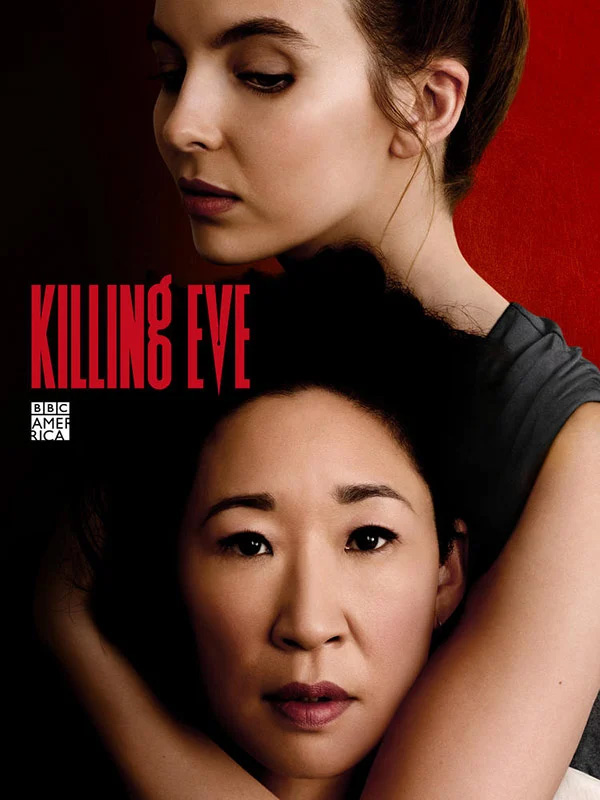
Recent years have often shown complex female anti-heroes who challenge traditional gender roles. In Killing Eve (2018-2022), a character named Villanelle, played by Jodie Comer, manages to be a deeply psychopathic assassin but still charming, funny, and unapologetic about her killer psychopathic tendencies. Similarly, Fleabag (2016-2019), created by and starring Phoebe Waller-Bridge, heavily features a protagonist who struggles with guilt, grief, and self-sabotage. Both series brought out the increasing hunger for more varied representations of imperfect and multidimensional women.
Another element is the fact that most TV dramas in their modern construction have ensemble casts that take audiences up close through different anti-heroes with unique moral complexities. Game of Thrones (2011-2019) presented characters like Tyrion Lannister, Jaime Lannister, and Daenerys Targaryen, who develop dimensionality, ambition, layers of redemption, and vengeance throughout the series. Their stories deeply intertwine with bigger themes of power, loyalty, and destiny.
Anti-Heroes Beyond TV
From TV screens to casino floors, anti-heroes have taken the world by storm. Anti-heroes roam around video games, books, and slot games with a flair that will never disappoint. Arthur Morgan, Red Dead Redemption 2’s anti-hero, is a prime reflection of the tide in moral complication within video gaming. This outlaw reels the player into the vortex of the journey between loyalty, inward turmoil, and banal acts of tenderness. Interactive storytelling lets the player decide who is in control of Arthur’s path.
From one-armed bandits to storytellers, slot machines have been transformed. Rainbow Riches exemplifies this shift, starring a roguish leprechaun as its anti-hero. This crafty character, more trickster than champion, captivates players with his unpredictable antics. Each spin unveils a new chapter in his mischievous tale, mirroring the narratives of modern TV dramas.
Anti-heroes are nothing new to literature. One of the great examples would be the enigmatic hacker Lisbeth Salander in The Girl with the Dragon Tattoo. Her traumatic past provides the impetus for a no-holds-barred pursuit of justice, often in very questionable ways. Salander’s extreme methods clash with traditional heroism, yet readers find themselves drawn to her resilience and complexity. Operating beyond legal boundaries, she exacts vengeance on those who wronged her.
Cultural Reflection and Social Commentary
The introduction of anti-heroes into the playfield of modern TV dramas also reflects broader cultural and social changes. In an era of political, economic, and social uncertainties, anti-heroes strongly engage with skepticism and disillusionment, characteristic of contemporary society. Challenging conventional heroism and morality, they invite audiences to question and redefine values.
For instance, The Shield (2002-2008) is a show about Vic Mackey, a corrupt policeman who executes justice by breaking laws. The portrayal of the police force in this drama represents corruption and accountability of dark deeds within institutions meant to uphold justice. In House of Cards (2013-2018), the series centers on Frank Underwood, who delves into the dark underbelly of political ambition and power.
TV storytelling has gained so much more from this recent dark trend of morally ambiguous protagonists, especially when talking about much more engaging and reflective experiences. These flawed characters stand as real mirrors of human nature and life in their complex ways of finding themselves.