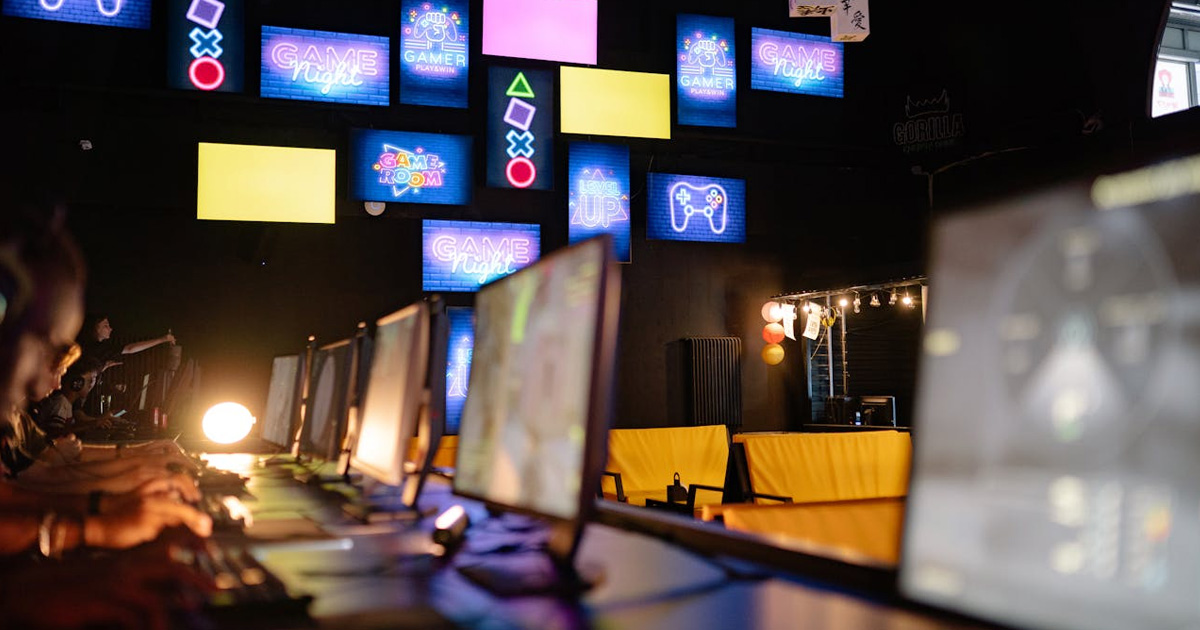
Something significant has happened to the relationship between fans and entertainment over the past decade. It is not simply that more content is available, though that is certainly true. It is that the nature of the experience itself has changed. Watching a show, following a franchise, attending a convention, or engaging with an online platform has become increasingly participatory, social, and live. The audience is no longer a passive receiver of content. It is an active participant in the experience, and the entertainment industry has reorganized itself around that shift in ways that are still playing out.
The Convention Model and What It Reveals About Fan Appetite
Fan conventions have become one of the clearest indicators of what audiences actually want from entertainment. The numbers are striking. New York Comic Con drew 250,000 attendees in 2025, making it one of the most attended public events on the East Coast. MCM Comic Con welcomed over 270,000 fans across its UK events in 2024 alone, a figure that represented a 116% increase over the equivalent events just four years prior. Globally, approximately 150 million attendance instances were recorded at fan conventions in 2025.
What drives people to spend a weekend in a convention hall, often at significant personal expense, when they could consume the same content at home? The answer is the quality of the experience itself. Panels, photo opportunities, autograph sessions, meet and greets, cosplay competitions, and the simple act of being surrounded by people who share the same obsessions deliver something that a streaming subscription cannot: presence, spontaneity, and genuine human connection built around shared passion. Conventions are not just about the IP. They are about the feeling of being inside the world of something you love, rather than observing it from the outside.
How Streaming Changed Fan Expectations
The streaming era fundamentally altered what fans expect from entertainment beyond the convention floor. Binge-watching created a culture of immersion: viewers no longer waited a week between episodes and treated each installment as a standalone event. Instead, they consumed entire seasons in a weekend and expected to be fully inside a story world for sustained periods. This changed how studios produce content and how fans organize their attention.
It also raised the bar for interactivity. Having experienced the depth of streaming immersion, audiences began expecting the same quality from other entertainment forms. The idea of passively watching something, without any way to engage, discuss, or influence what happens next, started to feel insufficient for fans accustomed to Twitter threads running alongside live episodes and Reddit communities dissecting every frame.
Live events met this demand in the physical world. Online platforms began addressing it in the digital one.
The Rise of Live Interactive Digital Entertainment
One of the most interesting developments in digital entertainment has been the growth of live, interactive formats that mirror the energy of a fan convention or a live screening. These are not pre-recorded experiences delivered on demand. They are real-time, social, and contingent on participation. The experience is different every time because the people involved are different every time.
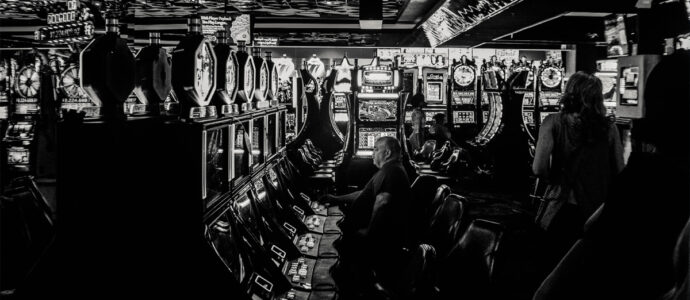
The mrq live casino experience is a good illustration of how this principle has been applied in the online gaming sector. MrQ, a UK-based platform operating since 2018 under a UK Gambling Commission licence, offers a live casino section powered by Evolution Gaming with over 75 live tables, including blackjack, roulette, baccarat, and live game shows like Monopoly Live, Crazy Time, and Dream Catcher. These are not simulated experiences. They are streamed in real time from professional studios, hosted by live dealers, and attended by real players making real decisions simultaneously. The game show titles in particular draw a direct line to the kind of theatrical, participatory entertainment that convention audiences have always valued: high energy, live hosts, communal tension, and outcomes that nobody can predict. MrQ backs this up with player-friendly terms that include no wagering requirements on winnings and a 60-second withdrawal guarantee.
The parallel to fandom culture is not superficial. Both the convention experience and live digital entertainment succeed for the same underlying reason: they make the audience feel like participants rather than spectators.
Pop Culture IP and the Gaming Connection
The relationship between pop culture franchises and gaming platforms has grown steadily more explicit. Game show formats modeled on television programs, slot titles themed around beloved films and series, live dealer settings designed to evoke the glamour of cinematic casino scenes: the entertainment industry and the gaming sector have found a common language, and it is the language of fandom.
According to the BBC, the global games industry now generates more revenue annually than the film and music industries combined, a milestone that reflects how thoroughly gaming has moved from niche hobby to mainstream entertainment. For pop culture fans, this convergence feels natural. The same imaginative investment that drives someone to travel across the country for a convention, to spend months on a cosplay costume, or to rewatch a series four times is the same investment that makes themed and immersive digital entertainment compelling.
What the Convention Community Knows That the Industry Is Learning
Fan conventions have always understood something that the broader entertainment industry has taken longer to grasp: the experience surrounding the content is often more important than the content itself. A panel with the cast of a cancelled show can sell out faster than the premier of a major blockbuster because fans are not just there for information. They are there for the feeling.
As digital entertainment platforms mature, the best of them are increasingly designed around this insight. Live formats, interactive elements, community features, and real-time human presence are becoming the differentiators in a crowded market. The question is no longer simply what content a platform carries but what kind of experience it creates around that content.
Fan conventions figured this out decades ago. The rest of the entertainment landscape is catching up, one live experience at a time.